


Respect human rights and the interests, cultures, customs and values of workers and communities affected by our activities.
Community Resilience
Strengthening community resilience is essential to ensuring mining’s transformative contributions to social and economic development are achieved responsibly and endure beyond the life of the mine.
Mining and host communities are deeply interconnected. When done responsibly, mining can drive social and economic development, creating jobs and contributing to the development of infrastructure, and access to essential services. However, challenges like climate change, automation and the mining lifecycle itself test community resilience. This project seeks to highlight skills, approaches and tools that build a host community’s capacity to respond, adapt and thrive regardless of challenge or context. Through collaboration and transparency, we aim to create lasting positive outcomes for people and society.
Issue at a glance
-
Communities face growing challenges from climate change, automation, and the evolving footprint of mining – factors that can threaten their ability to thrive. Resilient communities are better equipped to adapt to such shocks, whether from mining or external crises, and to seize new opportunities.
-
Inclusive social and economic development requires equitable access to opportunities – both within and beyond mining activities.
-
Building community resilience is a shared responsibility. It cannot be achieved by any one party alone; rather, it requires collaboration among government, the private sector, civil society and affected communities. Open dialogue and transparency are crucial for fostering trust and strong relationships.
-
Mineral and metal resources are finite, meaning the lifespan of every mine is limited. Responsible mine closure requires careful planning in consultation with communities, authorities, and other stakeholders. A well-designed closure strategy delivers sustainable outcomes that benefit not only the mining company and its employees but also the environment and host communities.
Measuring social and economic contribution
Through the Social and Economic Reporting Framework, ICMM members have committed to report on eight core indicators, including workforce composition, pay equality, wage levels, training provision, country-by-country tax reporting, local procurement, education and skills support, and capacity and institution building. This consistent reporting framework underpins ICMM’s commitment to responsible mining, driving meaningful development outcomes for host communities and society at large and greater transparency of mining’s broader contribution.
The six focus areas
- Tax: Supports economies in countries where mining takes place and contributes funds for their social and economic development.
- Workforce Development: Enhances skills, education and workforce productivity.
-
Employment: Builds human capital, provides people with financial means to support their families and contribute to their communities and underpins economic productivity. Employment that supports diverse, equitable and inclusive workforces benefits a wider breath of people.
-
Procurement: Promotes growth, innovation, and a more robust economy.
-
Education and Skills: Strengthens learning and development that builds community capacity outside of the workforce.
-
Capacity and Institutions: Improves institutional capacity and governance which enable stronger support for infrastructure and services that contribute to community resilience.
Our priorities
In the face of disruptions like climate change, automation, and the energy transition, strengthening community resilience is essential to creating equitable opportunities and optimising social transition outcomes for communities.
-
Tools for community resilience
Identify gaps and opportunities to develop useful tools, approaches or guidance to support the building or strengthening of community resilience in mine-affected communities.
- A knowledge base of issues briefs has been developed to better understand community resilience alongside documents to support various aspects of community resilience for example with respect to socio-economic transitions.
-
Social and Economic Reporting Framework (SERF)
Support members in their ongoing reporting against a set of eight core indicators, in a consistent manner, that demonstrates the social and economic contributions of mining.
- The Social and Economic Reporting Framework and Guidance was launched in 2022 with members asked to commence reporting from 2024 for all metrics apart from country-by-country tax reporting, when reporting is expected from 2025.
-
Social performance capability in the mining industry
Further explore the critical capability of social performance for mining and metals companies: the current state of social performance capability across the sector and pathways to strengthen it.
- The 2022 Tools for Social Performance support greater understanding of what social performance is, and the enablers required within organisations to deliver good, consistent social performance.
Key resources
Associated member commitments



Principle 09: Social Performance
Pursue continual improvement in social performance and contribute to the social, economic and institutional development of host countries and communities.

Principle 10: Stakeholder Engagement
Proactively engage key stakeholders on sustainable development challenges and opportunities in an open and transparent manner, effectively report and independently verify progress and performance.

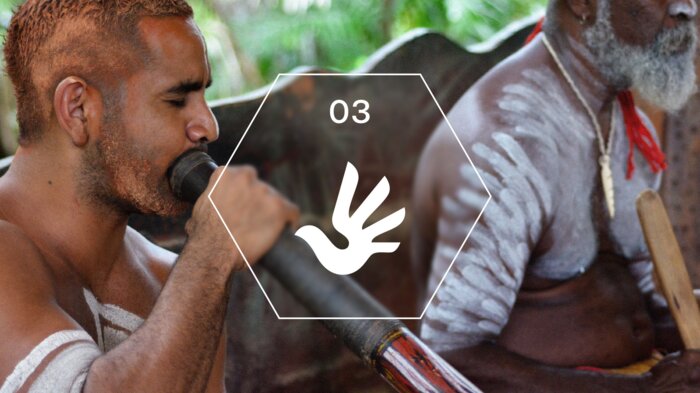
Position Statement: Indigenous Peoples
Building positive relationships between mining companies and Indigenous Peoples through respect, meaningful engagement and mutual benefit.
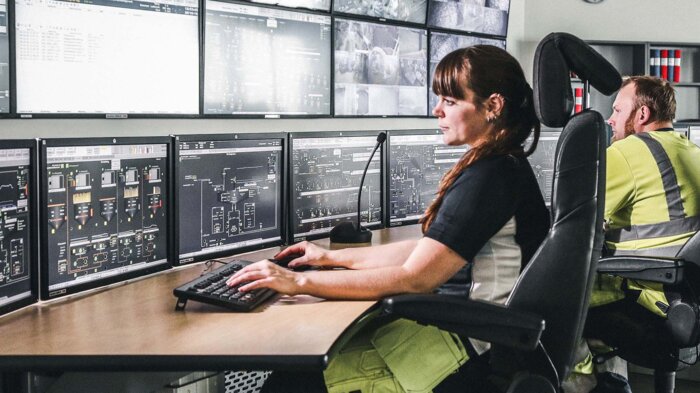
Position Statement: Diversity, Equity, and Inclusion
This Position Statement sets out ICMM Members’ collective commitment to improving diversity, equity and inclusion in the industry and positively influencing the communities that we are a part of.
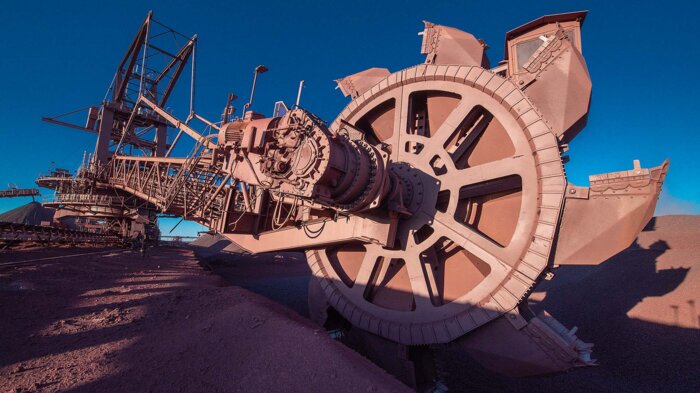
Position Statement: Transparency of Mineral Revenues
Promoting revenue transparency to enhance governance, combat corruption, and foster sustainable growth.
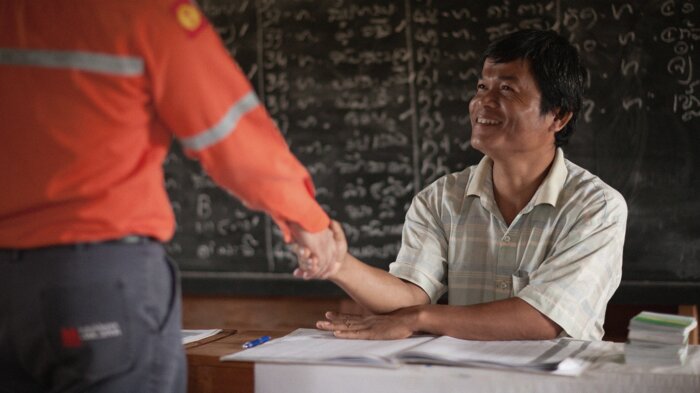
Position Statement: Mining Partnerships for Development
Ensuring that investments made in developing mineral resources enhance social and economic development locally and nationally.
Latest updates


Supporting the SDGs
With our strong focus on sustainable development there is great potential for ICMM to support the mining and metals industry in making an important and lasting contribution towards the UN’s global goals. We work with members and partners to catalyse lasting social and economic progress that supports an end to poverty, protects the planet, and ensures prosperity for all.
-
SDG 1: No poverty
Mining can contribute to poverty reduction through direct employment, local procurement, and the payment of taxes and royalties that fund essential social and economic infrastructure. In remote areas where poverty levels are often significant, mining can either alleviate poverty through job creation and skills development or exacerbate it if traditional livelihoods and ways of life are negatively impacted.
-
SDG 4: Quality education
Perceived inequities in the economic benefits of mining can lead to community opposition, particularly where education levels limit local participation in economic opportunities. By partnering with governments and institutions to enhance local capacity and investing in technical, vocational, and educational training, mining companies can help communities capitalise on opportunities. Such initiatives also strengthen relationships with host communities.
-
SDG 5: Gender equality
The benefits and adverse impacts of mining are often distributed unequally, with men typically reaping economic rewards and women bearing disproportionate burdens, including, in extreme cases, violence. Mining companies must promote gender equality by recognising women’s property and resource rights, involving them in consultation and decision-making processes, and creating inclusive access to jobs and economic opportunities.
-
SDG 8: Decent work and economic growth
Although direct employment in large-scale mining may be limited, these jobs are typically well-paid and include benefits. Mining also creates significant economic multipliers through local procurement and contributions to GDP in resource-dependent economies. For inclusive growth, effective revenue management and economic diversification are critical.
-
SDG 9: Industry, Innovation, and Infrastructure
Mining can attract ancillary businesses and industries to a region that can provide economic diversification and additional employment and procurement opportunities for the local area. Mining often requires substantial infrastructure investments, particularly in remote areas where innovation in problem solving and overcoming challenges is crucial. Shared-use infrastructure can provide broader societal benefits, especially in countries with significant infrastructure gaps. These create opportunities for mining to support national development goals.
-
SDG 10: Reduced Inequalities
While mining has reduced poverty in many regions, inequality remains a challenge in resource-dependent economies. Companies can promote inclusion by hiring locally, supporting livelihood diversification, and ensuring equitable community engagement. Transparent decision-making and participatory approaches are vital to building trust and reducing disparities.
-
SDG 11: Sustainable Cities and Communities
Mining products such as steel, copper, and aluminium are essential for building and connecting cities. While mining often occurs in remote areas, companies can support sustainable urban development by contributing to infrastructure, supporting renewable energy and resource conservation initiatives, involving stakeholders in land-use planning, implementing cultural heritage plans, and reclaiming mined land for community use.
-
SDG 17: Partnerships for the Goals
Mining companies bring significant expertise to partnerships that address sustainable development challenges. Sharing these experiences can inspire further collaboration and demonstrate the potential for collective progress toward achieving the SDGs.


